By SMoR Sports Desk | September 17, 2026
The two-day FIFA/CAF assessment mission in Abuja has ended, but the most important phase of Nigeria’s football reform process may only be beginning.
The National Sports Commission (NSC) is now awaiting the outcome of the consultations as FIFA and CAF review the positions presented by stakeholders and determine the next steps for the Nigeria Football Federation (NFF). The mission held consultations with a broad range of stakeholders, including the NFF administration, electoral bodies, State Football Associations, league bodies, players, coaches, referees, former officials, clubs, the media, sponsors and supporters.
FIFA’s next decision is particularly important because the stakeholders did not present a single position on how the reform process should proceed. According to The PUNCH, players’ representatives, coaches and referees supported a normalisation process and called for broader representation and voting rights within the NFF’s governing structures. State FA chairmen, who form a major part of the NFF Congress, instead argued that the existing Congress should be allowed to resolve the leadership vacuum and drive the reforms from within the established framework.
The Day After FIFA/CAF: Five Decisions That Could Shape Nigerian Football
1. Will FIFA support a normalisation process?
One of the biggest questions now facing Nigerian football is whether FIFA and CAF will support the establishment of a normalisation committee.
A group of former NFF presidents and former general secretaries has called for a six-month normalisation committee, proposing a transition that would include wider stakeholder consultations, elections at lower levels, State FA elections, an expanded NFF Congress and eventually national NFF elections.
However, that proposal is being challenged by State FA representatives, who argue that the existing NFF Congress already has the authority to address the leadership situation.
FIFA and CAF therefore have competing proposals to consider rather than a single agreed roadmap.
2. Will the NFF Congress be allowed to lead?
The alternative pathway would see the existing NFF Congress take responsibility for stabilising the federation and progressing the reform agenda.
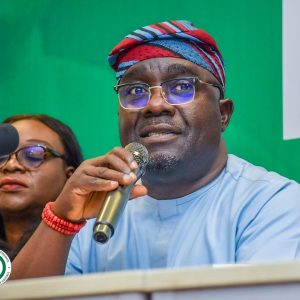
Gombe State FA chairman Yakubu Sarma, who led the State FA delegation during the FIFA/CAF engagement, argued that Nigerian football remains operational, pointing to the continuation of domestic leagues, continental club competitions, women’s international football and the functioning NFF Secretariat.
The question for FIFA and CAF is therefore not simply whether Nigerian football needs reform, but which institution or mechanism should oversee that reform.
3. Will the structure of the NFF Congress change?
Representation and voting power are likely to remain central to the debate.
The former NFF officials who proposed a normalisation committee argued that State FAs currently account for roughly 84 per cent of voting power in the Congress and called for broader representation for leagues, players, coaches, referees and grassroots football bodies.
Players, coaches and referees also reportedly supported broader representation across the Congress, NFF Board and standing committees.
Any eventual reform roadmap will therefore have to address not only who leads the NFF, but also how Nigerian football stakeholders are represented in its decision-making structures.
4. What happens to the suspended electoral process?
The NFF electoral process remains another major unresolved issue.
FIFA previously instructed that the planned September 27 NFF elections be suspended while FIFA and CAF assessed the legal, governance, administrative and electoral implications of the situation. FIFA said at the time that it had not reached conclusions on the appropriate next steps.
The conclusion of the Abuja mission does not itself announce a new election date.
That means Nigerian football stakeholders still need clarity on whether the existing electoral process will eventually resume, be redesigned or be replaced by another transition arrangement.
5. What will the final reform roadmap look like?
The biggest issue goes beyond the immediate leadership question.
The NSC has said the assessment was intended to identify practical measures to strengthen the governance structure and establish a more effective framework for Nigerian football development. The FIFA/CAF delegation is expected to take the outcome of its consultations back to its leadership for further consideration.
That means the eventual roadmap could potentially address several areas simultaneously:
- NFF governance and representation
- Electoral structures and procedures
- Stakeholder participation
- Domestic competitions
- Grassroots development
- Accountability and administration
- The relationship between government and football authorities
What We Know — And What We Don’t
What is known: FIFA and CAF have completed their two-day Abuja consultation, and they heard directly from a broad range of Nigerian football stakeholders.
What is also known: Stakeholders remain divided over whether the existing NFF Congress should lead the transition or whether a normalisation process should be established.
What is not yet known: FIFA and CAF have not publicly announced the final governance arrangement, a new NFF election timetable or the composition of any possible normalisation committee.
That distinction is important. The Abuja mission was an assessment and consultation exercise, not the announcement of a final settlement.
What Nigerian Football Should Watch Now
The next significant development will be the formal response from FIFA and CAF after they review the submissions from Abuja.
Until that happens, claims that a particular transition structure has already been approved should be treated cautiously.
For the NFF, the next phase could determine not only who oversees Nigerian football in the short term, but also whether the proposed reforms produce changes to the federation’s representation, electoral system and wider governance structure.
The Abuja mission has ended. The decision-making phase has now begun.
SMoR.ng will continue to track the FIFA/CAF response, the NFF reform process and developments surrounding the federation’s next electoral roadmap.